Replacing your HVAC filter sounds simple — until you realize not all filters are the same size. A 4-inch air filter can dramatically improve air quality and system efficiency, but only if it fits perfectly. That’s why measuring HVAC filter slot dimensions correctly is essential—it ensures you get the right size, avoid airflow issues, and protect your system from unnecessary strain. Let’s break down how to measure your filter quickly and accurately.
Quick Answers
How do you measure for a 4-inch HVAC air filter replacement?
Turn off your HVAC system before measuring.
Remove the old filter and note the printed dimensions.
Measure the exact length, width, and depth with a tape measure.
Round up to the nearest whole number to find the nominal size (e.g., 19.5x24.5x3.75 → 20x25x4).
Confirm the slot fit to ensure the new filter seals properly.
Top Takeaways
Measure Carefully
Accurate measurements ensure the filter fits tightly and seals properly.
Nominal vs. Actual Size
Always confirm both sizes before ordering.
Tight Fit = Better Efficiency
Prevents air leaks, improves airflow, and enhances air quality.
Longer Lifespan
Properly sized 4-inch filters last 6–12 months, reducing maintenance frequency.
Cleaner Air, Lower Costs
The right fit means less strain on your HVAC, better filtration, and energy savings over time.
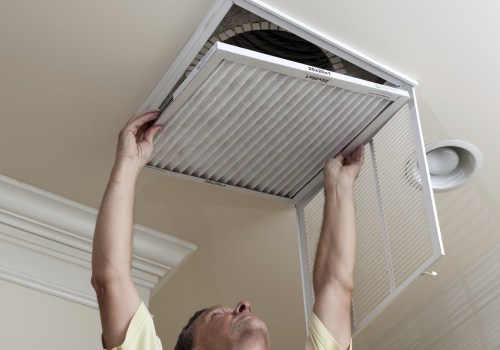
Accurate measurement is key to HVAC performance. Many homeowners mistakenly assume all 4-inch filters are interchangeable, but even small size differences can cause air leaks or poor fit. Start by turning off your system and carefully removing the existing filter. Check the printed dimensions first, then verify with a measuring tape.
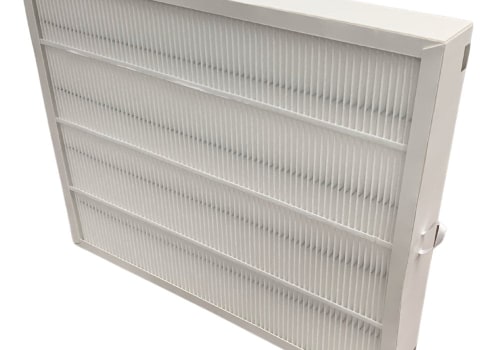
Measure length and width across the filter face and depth along its side. Most filters have a true thickness of around 3.5–3.75 inches, but they are labeled as “4-inch.” If the old filter fits loosely or too tightly, measure the filter slot itself for the correct size.
When done correctly, a snug-fitting 4-inch filter ensures better dust capture, improved air quality, and longer filter life — protecting both your system and your health.

“One of the biggest mistakes homeowners make is assuming filter sizes are universal. Taking five minutes to measure your filter slot correctly can save you hours of frustration and ensure your HVAC system runs efficiently.”
Essential Resources on “Step-By-Step Guide to Measuring for a 4-Inch HVAC Air Filter Replacement”
At Filterbuy, we believe that cleaner air starts with the right fit. Choosing the correct HVAC filter isn’t just about dimensions — it’s about protecting your system, improving airflow, and ensuring your family breathes healthier air. The following trusted resources provide reliable, easy-to-follow guidance to help you measure accurately and confidently when replacing your 4-inch air filter.
Filterbuy – How to Measure for a Replacement Air Filter
URL: https://filterbuy.com/resources/how-to-measure-air-filter/
Why It Matters:
We simplify the process with a clear, step-by-step guide to understanding nominal vs. actual sizes, ensuring your filter fits perfectly every time.
Energy.gov – Maintaining Your HVAC System for Peak Efficiency
URL: https://www.energy.gov/energysaver/maintaining-your-air-conditioner
Why It Matters:
Reinforces how correct filter sizing and maintenance can improve HVAC efficiency and lower energy costs by up to 15%.
Bob Vila – How to Replace a Furnace Filter
URL: https://www.bobvila.com/articles/how-to-change-a-furnace-filter/
Why It Matters:
Provides practical, at-home steps for safe removal and installation, perfect for homeowners upgrading to a 4-inch filter.
Home Depot – Air Filter Size Guide
URL: https://www.homedepot.com/c/ab/air-filter-size-guide/9ba683603be9fa5395fab9019e93160
Why It Matters:
Helps you compare nominal and actual dimensions for the most common residential filter sizes to ensure accuracy before ordering.
ASHRAE – Filtration and Air Quality Standards
URL: https://www.ashrae.org/technical-resources/filtration-and-disinfection-faq
Why It Matters:
Outlines the science behind filter performance, airflow, and efficiency, explaining why accurate sizing supports cleaner, healthier indoor air.
EPA – Guide to Air Cleaners in the Home
URL: https://www.epa.gov/indoor-air-quality-iaq/guide-air-cleaners-home
Why It Matters:
Highlights how properly sized and sealed filters can remove up to 98% of airborne dust and pollutants from your home.
HVAC.com – How to Measure a Furnace Filter the Right Way
URL: https://www.hvac.com/resources/how-to-measure-furnace-filter/
Why It Matters:
Provides visual examples and expert insights to help you avoid common measurement errors when upgrading or replacing filters.
Supporting Statistics — Key Facts About Measuring and Replacing 4-Inch HVAC Filters
Proper Sizing Saves Energy
The U.S. Department of Energy reports that correctly fitted and clean filters can reduce HVAC energy use by up to 15%.
https://www.energy.gov/energysaver/maintaining-your-air-conditioner
Well-Fitted Filters Improve Air Quality
The EPA found that properly sized and sealed filters can remove up to 98% of airborne particles, including dust and allergens.
https://www.epa.gov/indoor-air-quality-iaq/guide-air-cleaners-home
Incorrect Filter Sizing Causes Strain
Research from ASHRAE shows that ill-fitted filters can increase system strain by 20–30%, reducing furnace lifespan and efficiency.
https://www.ashrae.org/technical-resources/filtration-and-disinfection-faq
Proper Sizing Saves Energy
The U.S. Department of Energy reports that correctly fitted and clean filters can reduce HVAC energy use by up to 15%.
https://www.energy.gov/energysaver/maintaining-your-air-conditioner
Well-Fitted Filters Improve Air Quality
The EPA found that properly sized and sealed filters can remove up to 98% of airborne particles, including dust and allergens.
https://www.epa.gov/indoor-air-quality-iaq/guide-air-cleaners-home
Incorrect Filter Sizing Causes Strain
Research from ASHRAE shows that ill-fitted filters can increase system strain by 20–30%, reducing furnace lifespan and efficiency.
https://www.ashrae.org/technical-resources/filtration-and-disinfection-faq
Final Thoughts
Measurement matters most.
Taking a few minutes to measure your HVAC filter slot correctly prevents air leaks, strain, and wasted energy.A precise fit means better performance.
Extends filter and system lifespan
Reduces energy costs
4-inch filters deliver long-term value.
When accurately sized, they capture more dust, last longer, and protect your HVAC system better than thinner filters.Bottom line:
Measure twice, replace once. A properly sized 4-inch filter ensures cleaner air, smoother operation, and a healthier home environment year-round.
Next Steps
Turn Off Your System
Remove and Measure the Old Filter
Measure length × width × depth in inches.
Note both actual and nominal sizes.
Check the Filter Slot
Ensure it fits a 4-inch filter snugly with no gaps.
Record Your Size
Write it down for easy reordering later.
Install the New Filter
Follow airflow arrows on the frame.
Make sure it sits securely in place.
Set a Reminder
Inspect every 3 months.
Replace every 6–12 months depending on air quality and usage.
FAQ on Measuring for a 4-Inch HVAC Air Filter Replacement
Q1: Why is measuring important?
Ensures a tight fit and prevents air leaks.
Helps your HVAC run efficiently and cleanly.
Q2: What’s the difference between actual and nominal size?
Actual size: Exact measurement of the filter (e.g., 19.5x24.5x3.75).
Nominal size: Rounded size listed on packaging (e.g., 20x25x4).
Q3: How do I measure correctly?
Measure length, width, and depth with a tape measure.
Round up to the nearest whole number for the nominal size.
Q4: Can I use a filter that’s slightly larger or smaller?
No.
Even small gaps allow air and dust to bypass the filter.
Q5: How often should I replace a 4-inch filter?
Replace every 6–12 months for most homes.
Every 3–6 months if you have pets, allergies, or heavy use.
Looking for quality HVAC care? Here is just one of our HVAC Solutions branches…
Filterbuy HVAC Solutions - Air Conditioning Service
2521 NE 4th Ave, Pompano Beach, FL 33064
(754) 247-3511
https://maps.app.goo.gl/JmWkEXya7uzuLzBh8